The short version
July is peak dry season in Labuan Bajo, and it is superb. Flat calm seas, the best underwater visibility of the year, mantas on station and reliable, dragons active through the day, and rain that basically does not happen. If you want the postcard conditions, this is the window.
The catch is the same one we flag for Labuan Bajo in August: July is the busiest and most expensive stretch of the calendar. Boats sell out, flights climb, and the famous viewpoints fill up. Book well ahead and it is the best month of the year. Book late and you will pay top rates for whatever is left. If your dates are flexible, Labuan Bajo in September gives you nearly identical weather with fewer people, and we say so honestly.
Weather and sea conditions in July
July sits in the middle of the dry season, so the weather is about as predictable as it gets here. Dry days, strong sun, and seas that are calm most mornings. The one honest caveat: July often carries the strongest southeast trade wind of the season. That means afternoons can pick up a light chop offshore, especially in the open water south toward Manta Point. Mornings stay glassy, which is why boats run early.
| Metric | Typical July value |
|---|---|
| High temperature | 29 to 31°C |
| Low temperature | 22 to 24°C |
| Rainfall | Near zero (under 20 mm/month) |
| Sea condition | Calm mornings, light afternoon chop |
| Visibility | 25 to 30 m underwater |
| Wind | Southeast trades, strongest of the season |
July is a touch cooler and breezier than August, which most people prefer. The trade wind keeps the heat off during the day, and evenings on deck can feel genuinely fresh. Trails are bone dry, Padar grass is turning golden, and there are no mosquitoes inland because nothing has been wet for months.
Mantas and diving: the peak
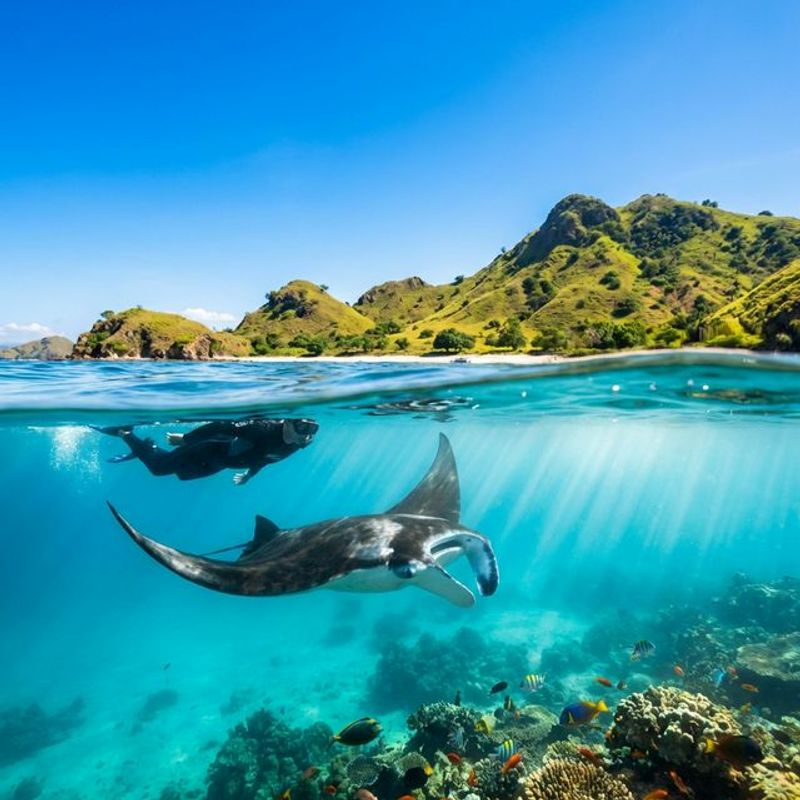
This is where July earns its price. Water clarity is at its yearly best, 25 to 30 metres on a good day, and the plankton that draws the mantas is thick. The cleaning stations at Manta Point and Mawan run reliably, and we rarely finish a July trip without a manta encounter. If you carry an underwater camera, July and August are the two months to bring it.
Diving conditions are excellent, visibility high and water around 26 to 28°C. Komodo's currents are still Komodo's currents, so book with an operator who reads the tides, but the July payoff is clear water and busy marine life. For the full month-by-month dive picture, our best time to visit Komodo Island guide walks through the whole calendar.
Crowds: how bad, and how to handle it
July is busy. European and Australian summer holidays are in full swing, and the iconic spots feel it. Padar at sunrise is the pinch point: we have counted 30-plus boats at the anchorage on a peak July morning, and the ridge can hold a couple hundred people at once.
The fix is the same one that has always worked here: go early and go against the flow.
- Padar sunrise: be at the harbour by 03:30. Boats start moving around then. If you are not underway by 04:00 you will be in the second wave at the viewpoint.
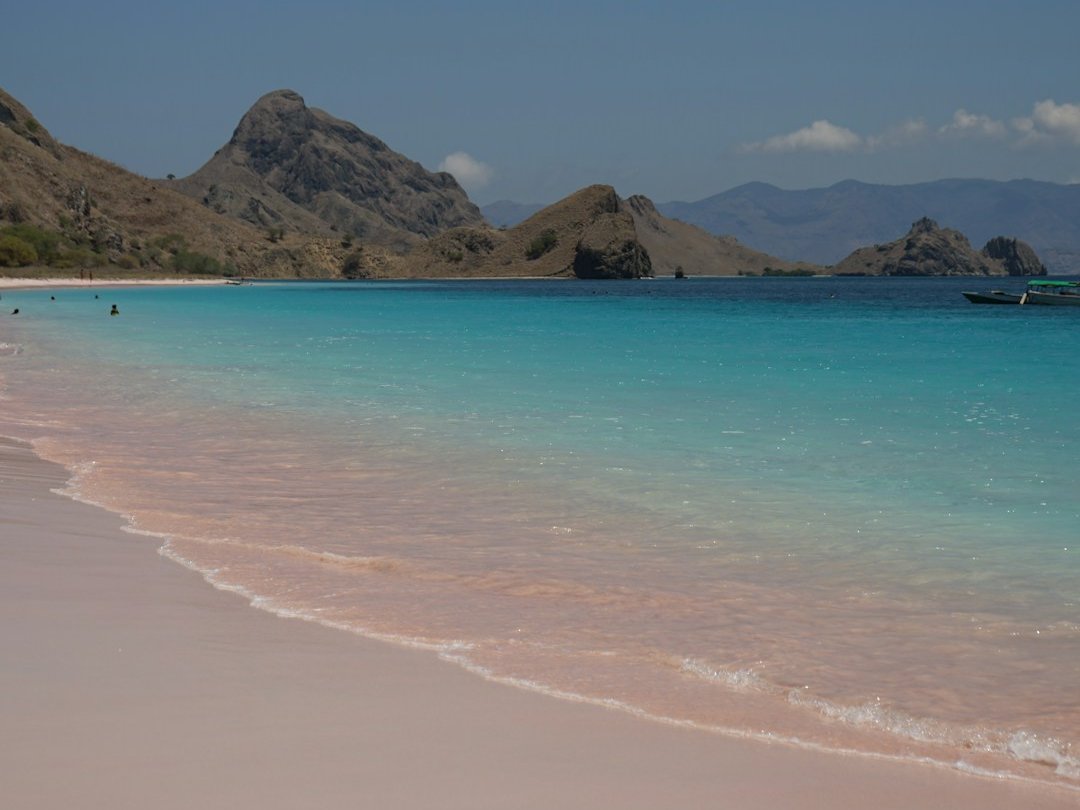
- Pink Beach is calmest before 09:00 and after 15:00. The 10:00 to 14:00 window is the crush.
- For dragons, take the early Rinca or Komodo slot. Cooler trails, and the dragons move more before the midday heat drives them into shade.
- Consider a liveaboard over a day trip. Sleeping in the park puts you at the viewpoints before the day boats arrive from town.
Komodo's ranger trails are time-slotted, so they never feel as packed as the photos suggest. Manta Point can gather six to eight boats at once, but the mantas are still there and the water is still clear.
Prices and booking lead time
July pricing runs at or near the annual peak, level with August. Here is what that looks like on the ground:
- Phinisi cabins: 30 to 50% above shoulder-season rates. The good boats sell out first, often two months ahead.
- Hotels: 20 to 40% above shoulder, and premium properties book out weeks in advance.
- Flights to LBJ: fares from Bali and Jakarta climb sharply through July. Book these first, they move the most.
- Day trips: roughly 10 to 15% above shoulder pricing.
- Park fees: unchanged. The national park does not do seasonal surge pricing, ever.
Our lead-time rule for July is simple. Book your liveaboard four to eight weeks ahead, book day trips two to four weeks ahead, and lock your flights the moment your dates are firm. Fly in two to three days before any cruise so a delayed domestic flight does not cost you the boat. For a full breakdown of what a July trip actually runs, see our trip cost guide.
Pick the trip that fits
Padar, Pink Beach, dragons and Manta Point by speedboat, back before dinner.
Komodo Day Trip: Speedboat to 6 Top Destinations
Three days on a phinisi with sunrise Padar before the crowds arrive.
Komodo Tour 3 Days 2 Nights: Phinisi Open Trip
The whole boat to yourselves. Your route, your pace, your music.
Komodo 3D2N Private Charter: Whole-Boat Phinisi
Day trip vs liveaboard in July
Both run at full strength in July, so this comes down to what you want out of the trip.
A Komodo day trip is the efficient choice. July mornings are calm enough for speedboats to run the full loop of Padar, Pink Beach, Komodo, Manta Point, and Taka Makassar, and you are back in town by evening. The one thing to watch is the afternoon trade wind, so a good skipper front-loads the open-water stops before the chop builds.
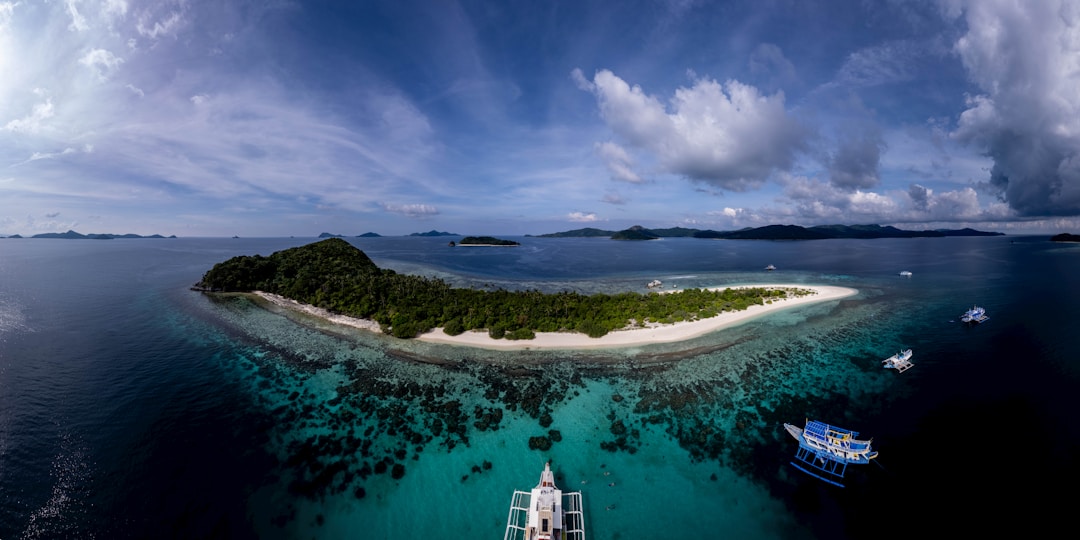
A liveaboard is the better call if you can spare the nights. In a crowded month, sleeping inside the park is the biggest advantage you can buy. You reach Padar before the town boats and dive the best sites at the quietest hours. In July, a liveaboard is how you dodge the worst of the crowds without giving up the peak conditions.
What to pack for July
Standard dry-season kit, with two July-specific notes because of the wind.
- Sun protection first. Reef-safe sunscreen, a wind-proof hat, and a long-sleeve rash guard. Cloudless days mean relentless UV.
- A windproof layer for the early boat rides. The pre-dawn crossings are genuinely cool in July, cooler than most people expect from Indonesia.
- Real shoes for Padar. The trail is dry and loose, and grip helps on the climb.
- A dry bag and a reusable water bottle. Every boat we run carries refill water, and single-use plastic is banned in the park.
Leave the rain jacket at home. A July shower is rare, and if one lands it will be warm and gone in twenty minutes.
Our honest verdict
July is a superb month to visit Labuan Bajo. Conditions are at their yearly best: calm seas, top visibility, reliable mantas, active dragons. The only real downsides are crowds and cost, and both are manageable if you plan early and go against the crowd at sunrise.
So, plan July early or do not bother. If you leave the booking to the last minute, you will pay peak prices for the leftovers.
If your dates are flexible and crowds bother you more than the calendar, shift to September. You keep nearly all of July's conditions and lose most of the people and about a quarter of the price. For the full year at a glance, our best time to visit Labuan Bajo guide lays out every month side by side.
Frequently asked questions
Is July a good time to visit Labuan Bajo?
Yes, it is one of the best. July is peak dry season with calm seas, 25 to 30 metre visibility, and the most reliable manta activity of the year. The trade-off is that it ties with August as the busiest and most expensive month, so book flights and boats well ahead.
Does it rain in Labuan Bajo in July?
Almost never. July sits deep in the dry season with monthly rainfall usually under 20 mm. Expect dry, sunny days throughout. The bigger weather factor is the southeast trade wind, which can raise a light afternoon chop offshore while mornings stay calm.
Is July more expensive than September in Labuan Bajo?
Yes. July runs at the annual price peak alongside August, with phinisi cabins 30 to 50% above shoulder rates and flights climbing sharply. September delivers nearly the same conditions for roughly 25% less and with far smaller crowds, which is why we point flexible travellers toward it.
Can you see manta rays in Komodo in July?
Yes, July is one of the most reliable months for mantas. The cleaning stations at Manta Point and Mawan run consistently, plankton is thick, and visibility is at its yearly best, so snorkellers see them almost as clearly as divers do.