The short version
September is the month we tell people to pick when they have a free choice of dates. You get the same dry sky, flat sea, and 25 to 30 metre visibility that makes Labuan Bajo in August the most-booked month of the year, except the August crowd has flown home and prices have started to ease. Our own guide to the best time to visit Komodo Island calls September the honeymoon pick, and that is not marketing. It is the month we tell our friends to book.
The honest caveats: the first week still carries the tail end of the August rush, and by the last week of the month you might see the first afternoon clouds building over Flores. Neither one changes the verdict.
Weather in September
| Metric | Typical September value |
|---|---|
| High temperature | 30 to 33°C |
| Low temperature | 22 to 24°C |
| Rainfall | Near zero (under 10 mm/month) |
| Sea condition | Calm, light southeast swell |
| Visibility | 20 to 30 m underwater |
| Wind | Southeast trades, easing through the month |
The first three weeks are indistinguishable from peak dry season. Bone-dry trails, golden grass on Padar, crisp sunrises. Late September can throw up an afternoon cloud bank as the dry season starts winding down, but actual rain almost never lands before mid-October.
One practical difference from August: the islands have had five months without rain by now, so trails are dusty and the midday heat feels sharper. Start your Padar hike before 06:00 and you will not notice. Start it at 10:00 and you will.
Crowds: the August reset
This is where September earns its reputation. The European and Australian school holidays end in the last days of August, and the drop-off is fast.
Numbers from our own logs: the Padar anchorage that holds 35 boats on a peak August morning runs 12 to 18 boats through most of September, and under 10 in the final week. The viewpoint that packs 200 to 300 people at August sunrise settles back to a number where you can actually frame a photo without strangers in it.
The knock-on effects matter more than the headcount:
- Padar sunrise no longer requires a 03:15 harbour start. Leaving at 04:00 still puts you in the first wave.
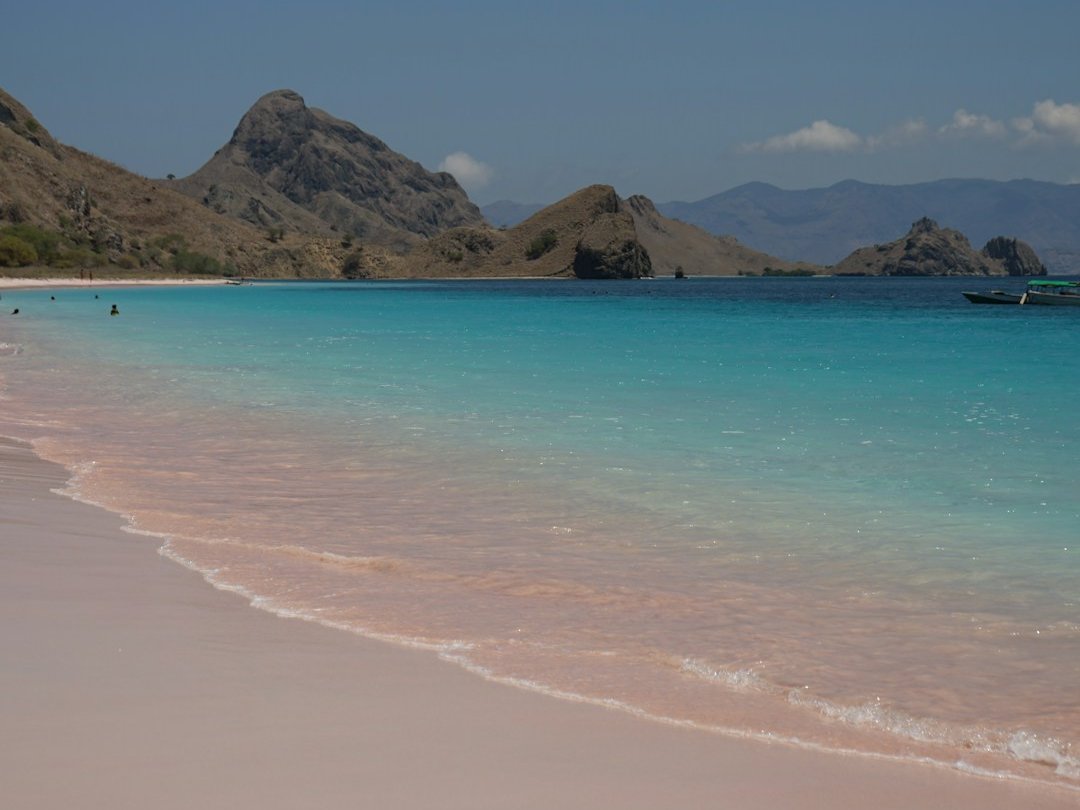
- Pink Beach is workable at midday again. The 10:00 to 14:00 crush that defines August fades to a handful of boats.
- Manta Point drops from 6 to 8 boats at once to 2 or 3. Same mantas, fewer fins in the water around you.
The exception is the first week of September, which behaves like late August. If you want the quiet version of the month, aim for the 8th onward.
Prices and availability
Prices soften in two steps. Rates come off the August peak in the first half of the month, then drop again in the final week as operators chase the last of the dry-season traffic. Our rule of thumb, and we said the same thing in the August guide: the last week of September gives you August conditions for roughly 25% less.
What that looks like in practice:
- Phinisi cabins: 15 to 25% below August rates, more in the final week. Boats that sold out 6 weeks ahead in August have cabins available at 2 to 3 weeks notice.
- Hotels: premium properties that were fully booked in August take reservations a week or two out. Mid-range rooms are a same-week booking.
- Flights to LBJ: fares from Bali and Jakarta ease after the first week of the month.
- Day trips: back to shoulder pricing, and you can usually book 2 to 3 days ahead instead of 2 to 4 weeks.
- Park fees: unchanged, as always. The park does not do seasonal pricing.
Day trips vs liveaboards in September
Both run at full strength, so this is a pure preference call rather than a weather call.
For a Komodo day trip, September seas are calm enough that speedboats run the complete loop: Padar, Pink Beach, Komodo, Manta Point, Taka Makassar. No skipped stops, no rerouting around swell.
For a liveaboard, September is arguably the single best month of the year. The anchorages that felt like parking lots in August go quiet again, so you get the thing people actually book a liveaboard for: waking up alone in a bay. Sunset decks without a dozen other boats in frame. If you have been choosing between the two formats, September is the month the liveaboard justifies its price.
Pick the trip that fits
Padar, Pink Beach, dragons and Manta Point by speedboat, back before dinner.
Komodo Day Trip: Speedboat to 6 Top Destinations
Three days on a phinisi with sunrise Padar before the crowds arrive.
Komodo Tour 3 Days 2 Nights: Phinisi Open Trip
The whole boat to yourselves. Your route, your pace, your music.
Komodo 3D2N Private Charter: Whole-Boat Phinisi
Mantas and diving in September
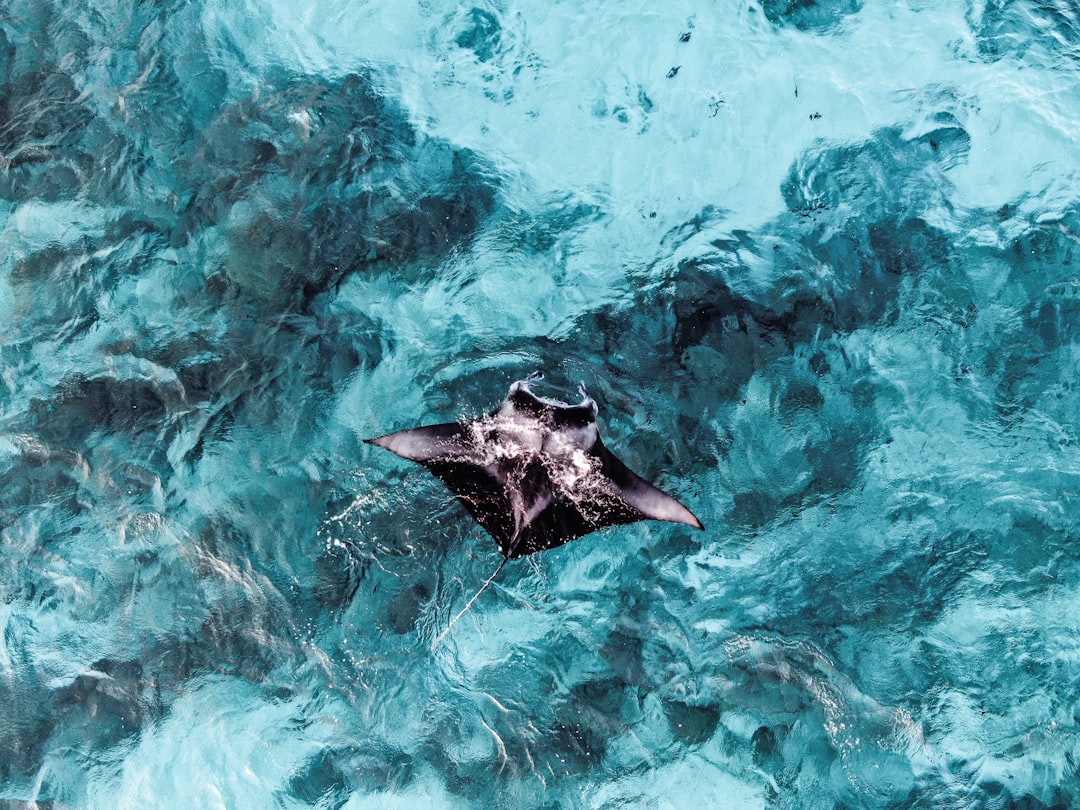
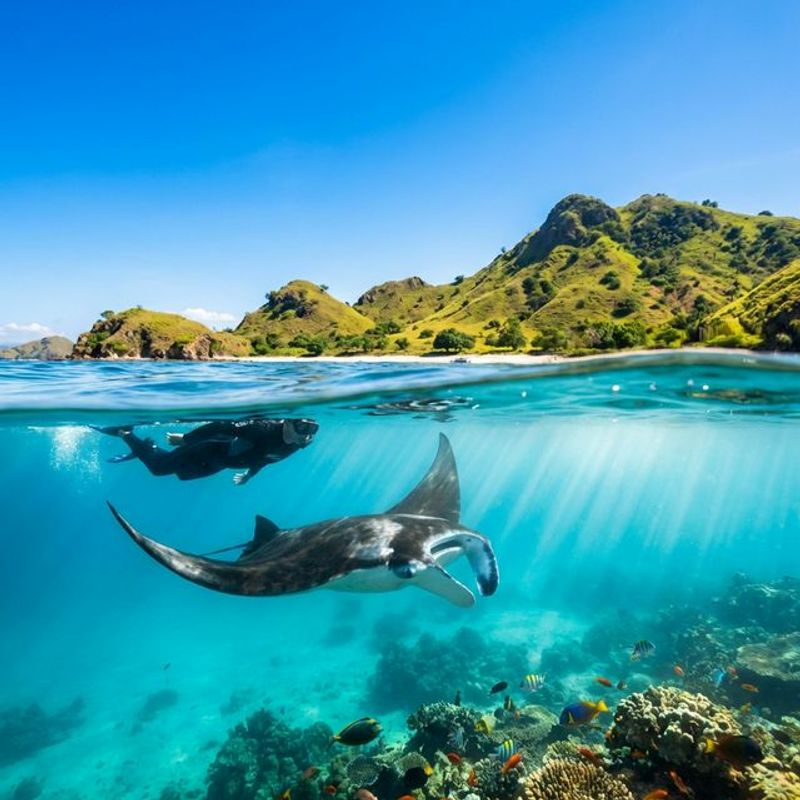
The manta cleaning stations at Manta Point and Mawan stay busy through September. Plankton is still in the water, the mantas are still on their predictable circuit, and with fewer boats on site your group often gets a station to itself.
Diving conditions: visibility holds at 20 to 30 metres, water temperature sits around 26 to 28°C, and the currents that Komodo is famous for are as manageable as they get. Dive operators love this month because they can run the full site list without weather compromises.
We will not promise whale sharks. Sightings in the southern bays are statistically strongest in August and taper after that. They still happen in September; we just do not sell the month on them.
What to pack for September
Standard dry-season kit, with two September-specific notes:
- Sun protection first. Reef-safe sunscreen, a hat that survives boat wind, and a long-sleeve rash guard. Five rainless months means zero cloud cover most days.
- Real shoes for Padar. The trail is dusty and loose by September. Sandals work but grip helps.
- A light windproof layer for the 05:00 boat ride. The crossing is cool before sunrise even in the dry season.
- A dry bag and a reusable water bottle. Every boat we run has refill water; single-use plastic is banned in the park.
Skip the rain jacket. If a late-September shower catches you, it will be warm and gone in twenty minutes.
Our honest verdict
September is arguably the best month of the year in Labuan Bajo, and we say that as people who make more money in August. You keep everything that makes peak season worth it and shed most of what makes it hard work.
Pick August instead if your dates are locked to school holidays or you want the statistical peak for whale sharks. Read the Labuan Bajo in August guide first so you know what you are signing up for.
Pick October instead if budget beats certainty. Prices dip further, crowds thin further, and you accept the small chance of an early shower late in the month.
For the full month-by-month picture, our guides to the best time to visit Labuan Bajo and the best time to visit Komodo Island walk through the whole calendar. But if you have the flexibility, stop deliberating. Book September.
Frequently asked questions
Is September a good time to visit Labuan Bajo?
Yes, and in our view it is the best month of the year. You get full dry-season conditions, calm seas, and strong manta activity with far smaller crowds than August and prices 15 to 25% lower. The only travellers who should prefer August are those locked to school holiday dates.
Does it rain in Labuan Bajo in September?
Almost never. September sits deep in the dry season with monthly rainfall typically under 10 mm. Late in the month you may see afternoon clouds build as the season winds down, but meaningful rain rarely arrives before mid-October.
Is September cheaper than August in Labuan Bajo?
Yes. Phinisi cabins run 15 to 25% below August rates, hotels have real availability again, and flights ease after the first week. The last week of September is the sweet spot: August weather for roughly a quarter less money.
Can you see manta rays in Komodo in September?
Yes. The cleaning stations at Manta Point and Mawan stay active through September, and with fewer boats on site your group often has the mantas to itself. Visibility holds at 20 to 30 metres, so snorkellers see them almost as well as divers do.