The short version
Komodo is one of the best dives in Indonesia, and you run it from Labuan Bajo. You come for the manta rays at Karang Makassar, the big schooling fish and reef sharks on the northern pinnacles, and coral that still looks the way reefs are supposed to look. The catch is current. Komodo sits between the Flores Sea and the Indian Ocean, and a lot of water moves through the park on the tides. Some sites are gentle enough for a first-timer. Others are advanced drift dives where you carry a reef hook and pick your tide. Best window to dive is the dry season, roughly May to early October, with June to September the strongest run.
One honest note before we go further. We run snorkel and sightseeing day trips and phinisi liveaboards. We are not a dive school and we do not certify divers. What follows is the local operator's read on diving the park, plus where our boats fit if you want the same water without the tank.
What makes Komodo worth the trip
Three things, mostly.
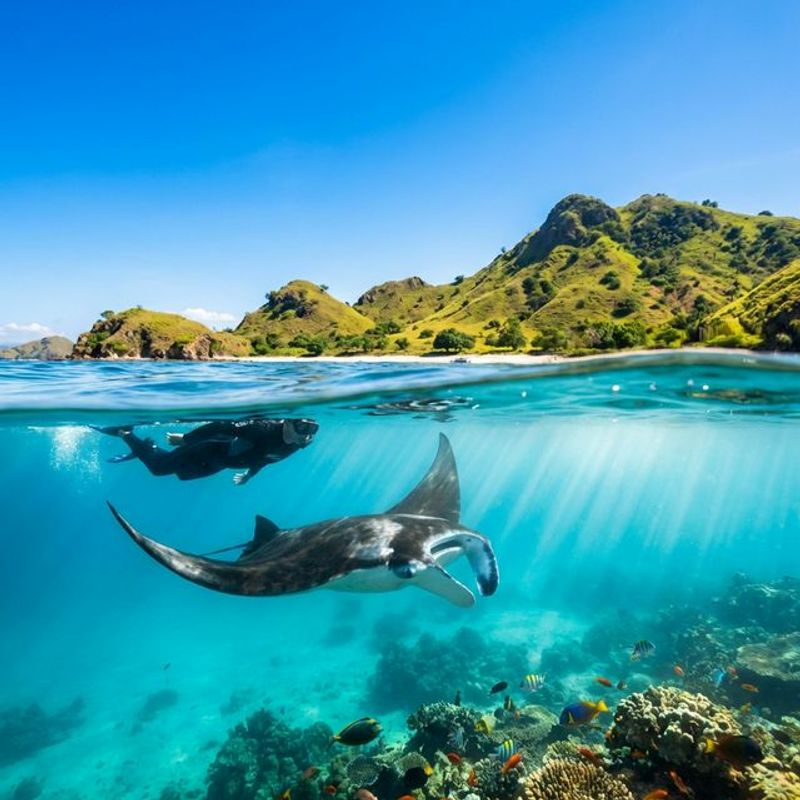
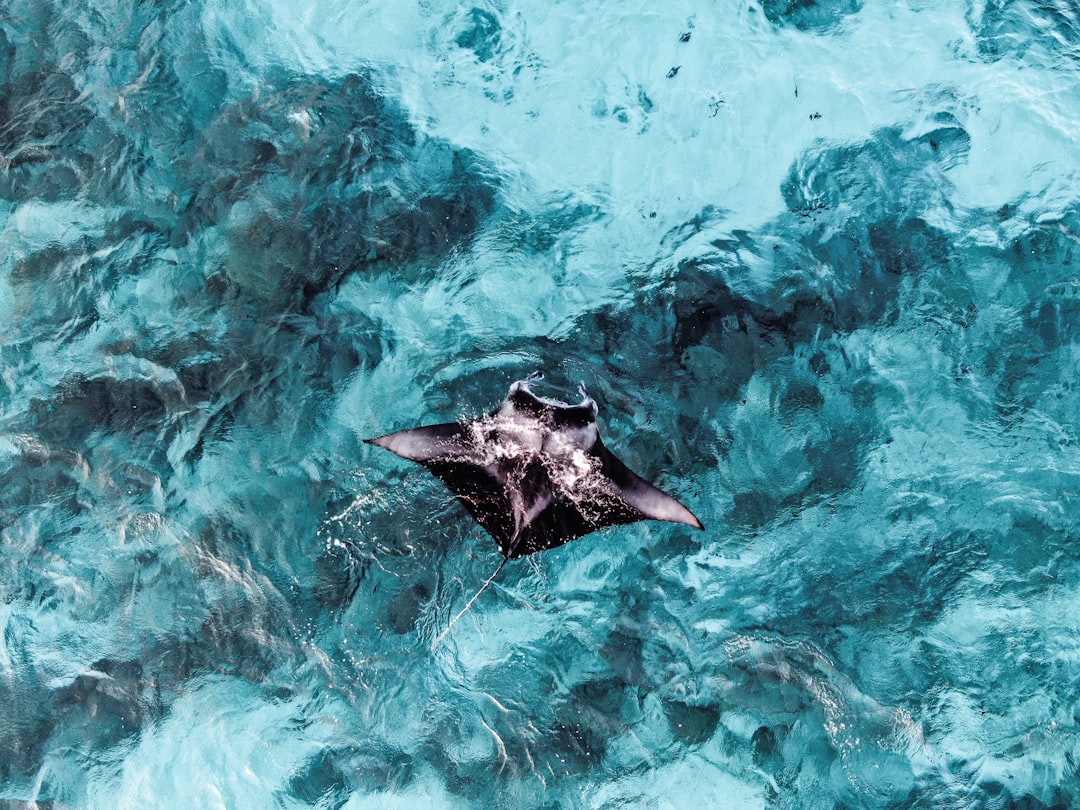
Mantas. Karang Makassar, the site everyone calls Manta Point, is a long sandy channel where manta rays come to feed on plankton and get cleaned. On a good drift you hang off to the side and watch them pass. It works for divers and snorkellers, which is rare. Numbers move with the season and the plankton, but mantas turn up here across much of the year.
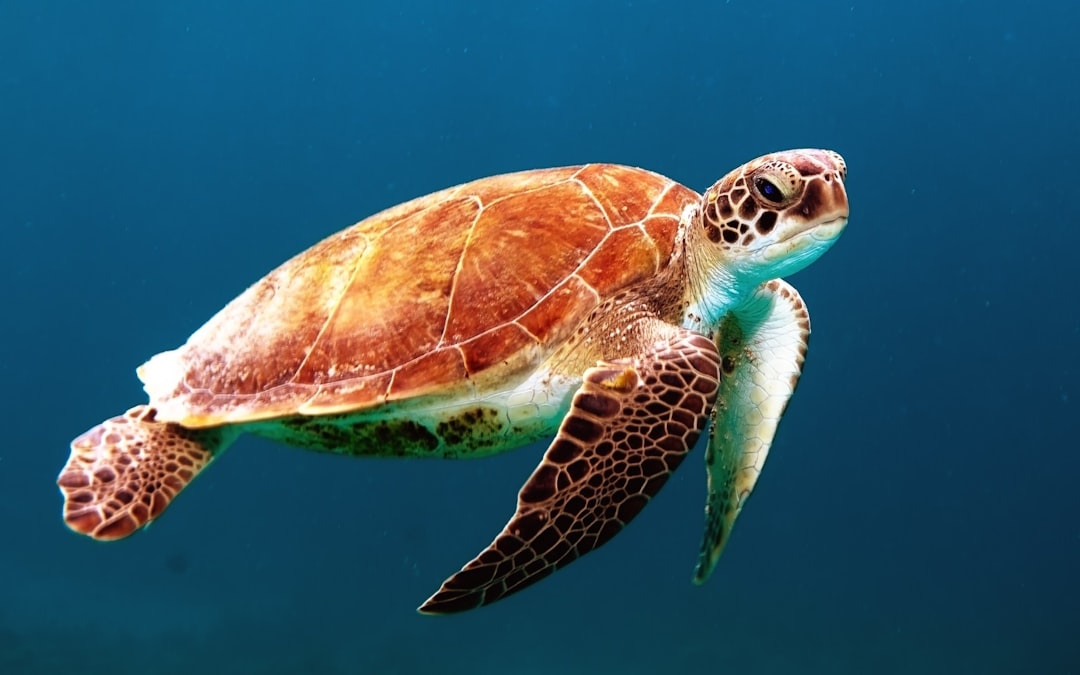
Big fish and healthy reef. The northern sites sit in open water where current concentrates life. You get trevally in schools, surgeonfish in the hundreds, whitetip and grey reef sharks, the occasional eagle ray. The hard and soft coral on sites like Batu Bolong is as dense as anything in the region.
Variety in a small area. Warm gentle bays in the north, cold upwellings in the south, macro life, walls, drift channels. All of it inside one park.
The headline dive sites
Here is the short list, with the one thing each is known for and the level it really asks for. "Level" assumes running current, which is when these sites are at their best and their most demanding.
| Site | Highlight | Level |
|---|---|---|
| Karang Makassar (Manta Point) | Mantas on a sandy drift, snorkellers welcome | All levels |
| Batu Bolong | Dense coral pinnacle, walls of fish | Intermediate to advanced |
| Castle Rock | Sharks and pelagics on a submerged peak | Advanced, reef hook |
| Crystal Rock | Pinnacle in open sea, big schools, good viz | Advanced, reef hook |
| The Cauldron (Shotgun) | Drift that fires you into a coral garden | Experienced when running |
| Tatawa Besar and Kecil | Sloping coral, turtles, easier current | Beginner to intermediate |
| Siaba Besar | Calm reef, turtles, good check dive | Beginner |
Batu Bolong is the one people rave about, a small pinnacle where the current splits around the rock, giving a fish-magnet face on the up-current side and shelter on the down-current side. Castle Rock and Crystal Rock in the north are where you go for shark action, and on strong tides both are reef-hook dives for experienced divers only. The Cauldron, better known as Shotgun, is a drift that accelerates through a channel and shoots you out over a coral garden. On a light tide it is manageable. On a big tide it is not a beginner dive.
Day boat or liveaboard
Two ways to dive the park, and the choice is mostly about how far south you want to go.
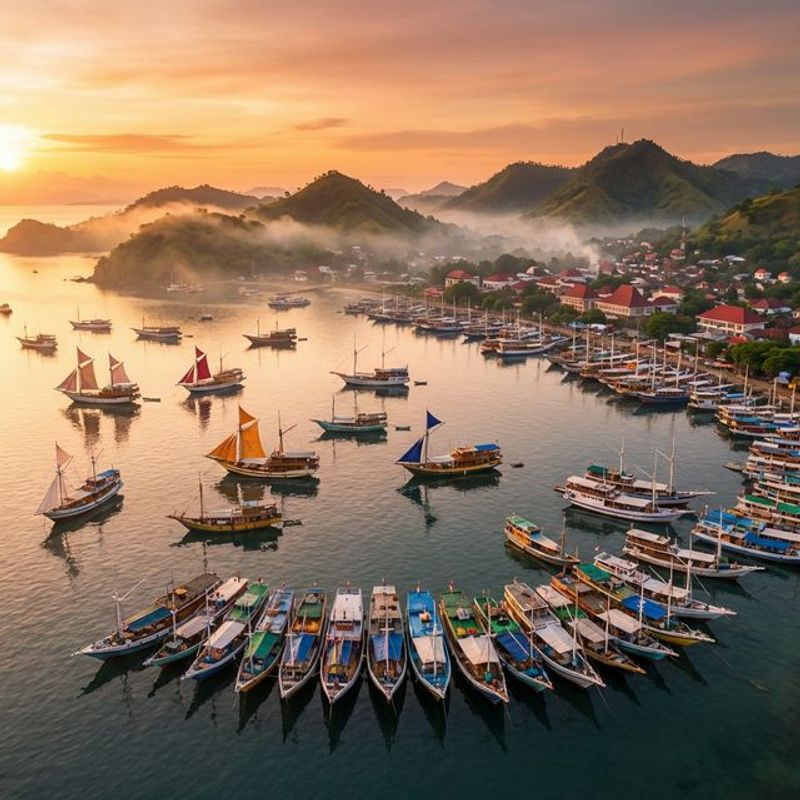
Day boats leave Labuan Bajo in the morning and hit the central sites: Manta Point, Batu Bolong, Tatawa, Siaba. You are back in town by evening. This is the right call if you have two or three days, want your own bed at night, and are happy diving the central park, which is excellent on its own. Our Komodo day trip runs this water as a snorkel and sightseeing route if you are not diving.
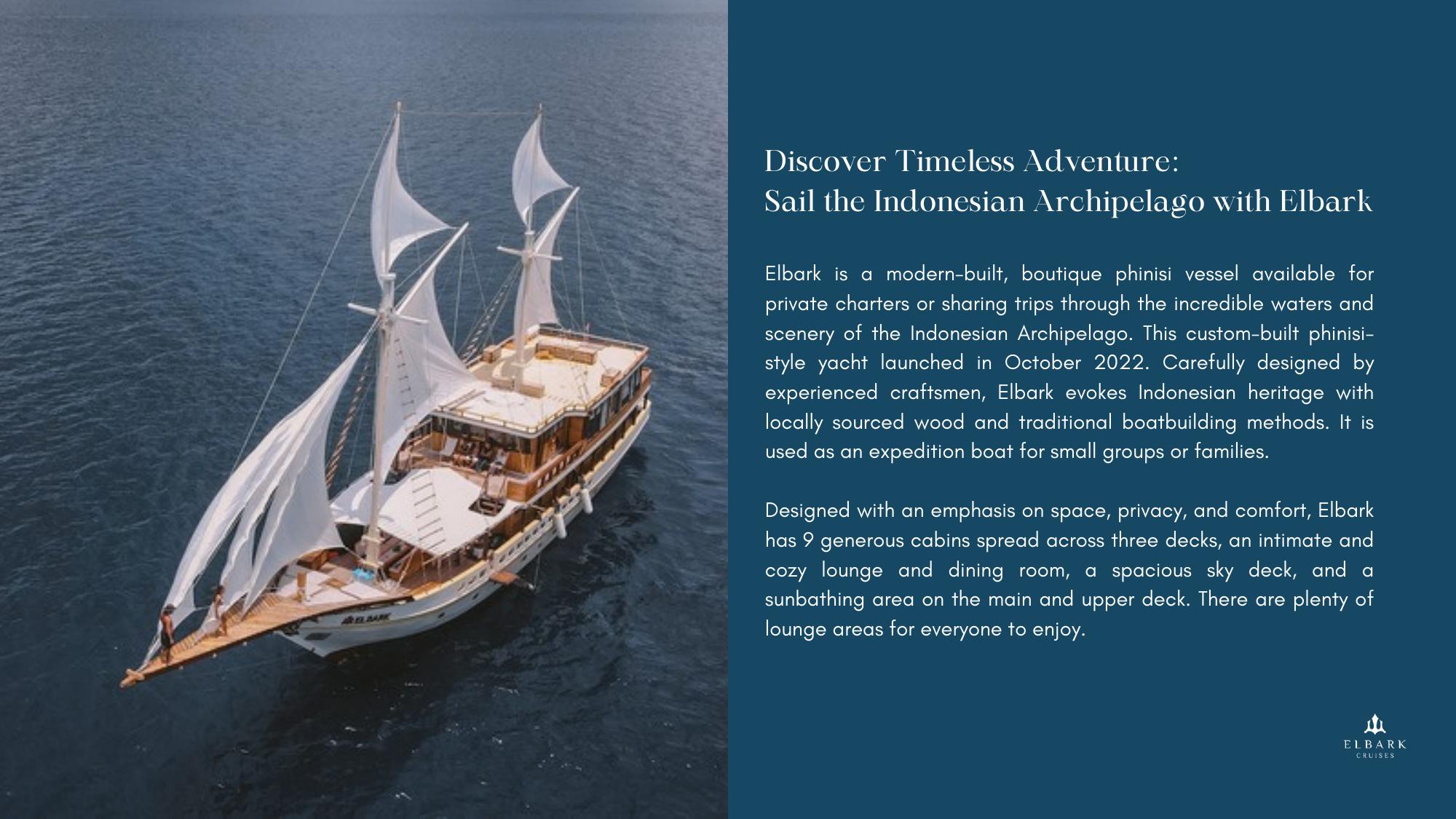
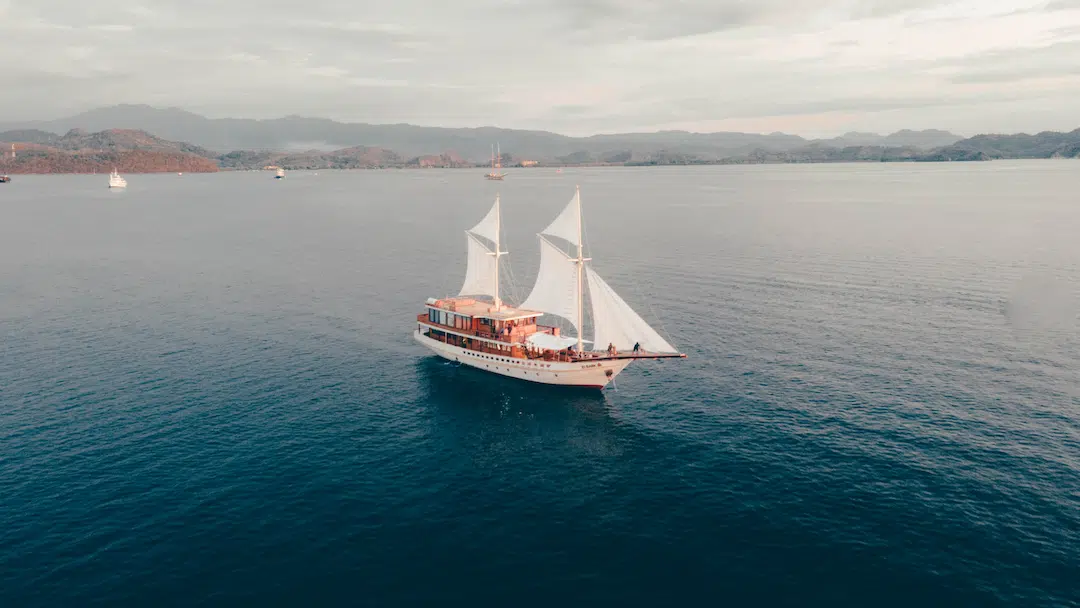
Liveaboards sleep on the boat and reach the sites day boats cannot: the far northern pinnacles at their best slack windows, and the cold southern sites like the ones off Nusa Kode. More dives per day, less travel time burned, and you dive the good tides instead of whatever the day-boat schedule allows. If you are chasing the full park, this is the way. Our liveaboard is a 3 day 2 night phinisi trip, and the Komodo liveaboard guide walks through how the boats and routes work.
There is now a second phinisi on that route: the Ballona Phinisi Komodo tour, launched in 2026, with eight private ensuite cabins and a maximum of 25 guests.
Currents, and the level you actually need
This is the part that trips people up, so read it twice.
Komodo current is not a gentle push. On the exposed northern pinnacles it can run hard, change direction with the tide, and include down-currents that pull you deeper. This is why experienced divers carry a reef hook here: you hook into dead reef, hang in the flow, and watch the show without finning yourself exhausted.
If you are freshly certified, that does not mean the park is closed to you. It means site choice matters. Siaba, Tatawa, and Manta Point on a calm tide are fine for Open Water divers with decent buoyancy. Castle Rock, Crystal Rock, and Batu Bolong on a running tide are not the place to log your fifth dive. A good operator reads the tide table and puts you where your experience fits. If someone offers you Castle Rock on a ripping current with 10 dives in your logbook, that is a bad operator, not a rite of passage. Be honest with your dive centre about your logged dives and how recent they are.
Pick the trip that fits
Padar, Pink Beach, dragons and Manta Point by speedboat, back before dinner.
Komodo Day Trip: Speedboat to 6 Top Destinations
Three days on a phinisi with sunrise Padar before the crowds arrive.
Komodo Tour 3 Days 2 Nights: Phinisi Open Trip
The whole boat to yourselves. Your route, your pace, your music.
Komodo 3D2N Private Charter: Whole-Boat Phinisi
Best time to dive
The dry season, roughly May to early October, is the window, and June to September is the strongest stretch. Seas are calm, boats run reliably, and visibility opens up to 20 to 30 metres. This lines up with our best time to visit Komodo Island guide, so if you are planning around both the dragons and the diving, the same months carry you.
Mantas are the wildcard. They show up across much of the year because they follow the plankton, not the calendar, so you have a real shot at Manta Point in most months. But for calm crossings, good viz, and reliable boat schedules, the dry season wins. The wet season from November to March brings choppier seas and the odd day the harbour master keeps boats in port.
Water temperature and what to bring
Komodo surprises people who packed for the tropics.
The northern sites stay warm, around 26 to 29 C. The southern sites are a different animal. Cold upwellings from the Indian Ocean can drop temperatures to 18 to 22 C during the dry season, which is genuinely chilly on a long dive. Bring more wetsuit than you think you need.
- A 3 mm suit is the minimum for the warm north.
- A 5 mm, plus a hood, if your trip includes the cold southern sites. This is not optional comfort, it is staying warm enough to enjoy the dive.
- A surface marker buoy and a reef hook for the current sites. Reputable centres provide these, but confirm.
Snorkelers, you are not left out
Here is the good news if you do not dive. Komodo is one of the few places where the headline attraction, the mantas at Karang Makassar, works just as well on a snorkel. The channel is shallow enough that you float on the surface and watch mantas glide underneath. Turtles, reef fish, and coral gardens at sites like Siaba and Pink Beach are all snorkel-friendly too. Our day trips are built around exactly this, and if you want more beach time between swims the Labuan Bajo beaches guide has the spots worth the stop. If it turns out snorkelling rather than diving is what you are here for, the karst islands of Labengki and Sombori in Sulawesi are built around it: limestone towers, shallow lagoons, and no currents to plan your day around. Same parent company as us, a very different sea.
For the wider picture on park fees, zones, and what else is out there, the Komodo National Park guide covers it. And if you are still deciding between diving, snorkelling, a day boat, or a liveaboard, message us on WhatsApp with your dates and dive experience. We will tell you straight what fits, and we will not sell you a dive course we do not run.
Frequently asked questions
Do I need to be an advanced diver to dive Komodo?
No, but it depends on the site. Central sites like Siaba, Tatawa, and Manta Point on a calm tide suit Open Water divers with good buoyancy. The northern pinnacles like Castle Rock and Crystal Rock on running current are advanced dives that need reef-hook experience. A good operator matches the site to your logged dives.
When is the best time to dive Komodo?
The dry season, May to early October, with June to September the strongest. Seas are calm, boats run reliably, and visibility runs 20 to 30 metres. Mantas can be seen across much of the year, but the dry months give you the most dependable conditions.
Can I see manta rays while snorkelling?
Yes. Karang Makassar, or Manta Point, is shallow enough that snorkellers on the surface can watch mantas feed and get cleaned below them. It is one of the few world-class manta sites that works without a tank.
How cold is the water in Komodo?
The north sits around 26 to 29 C. The southern sites can drop to 18 to 22 C during the dry season because of cold upwellings from the Indian Ocean. Bring a 3 mm suit for the north and a 5 mm plus hood if your trip includes the south.
Do you run dive courses or certification?
No. We run snorkel and sightseeing day trips and phinisi liveaboards, not a dive school. For certified diving you book through a park dive centre. We are happy to point you in the right direction and handle the boat, snorkelling, and liveaboard side. Message us on WhatsApp with your plans.