Quick answer
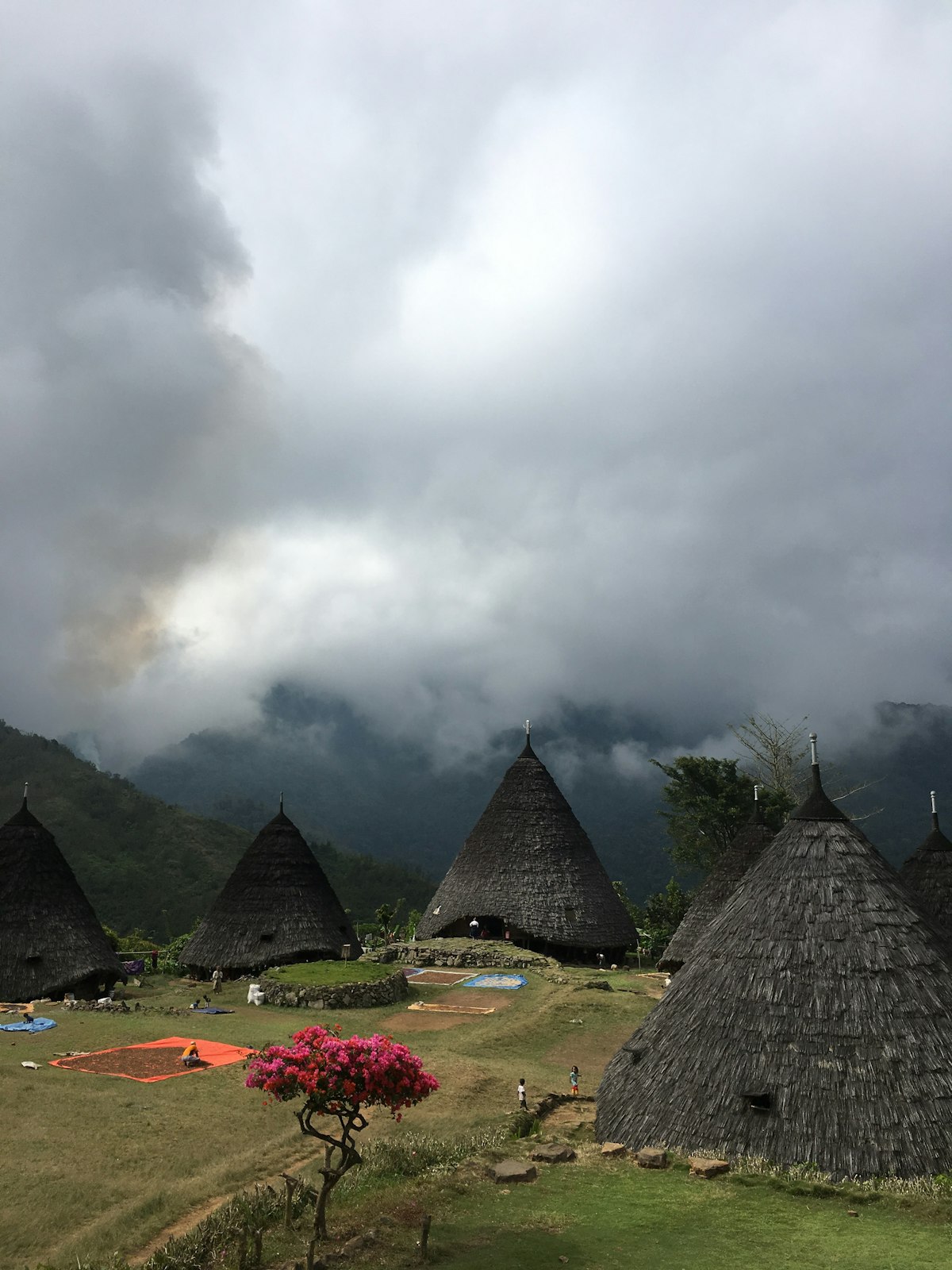
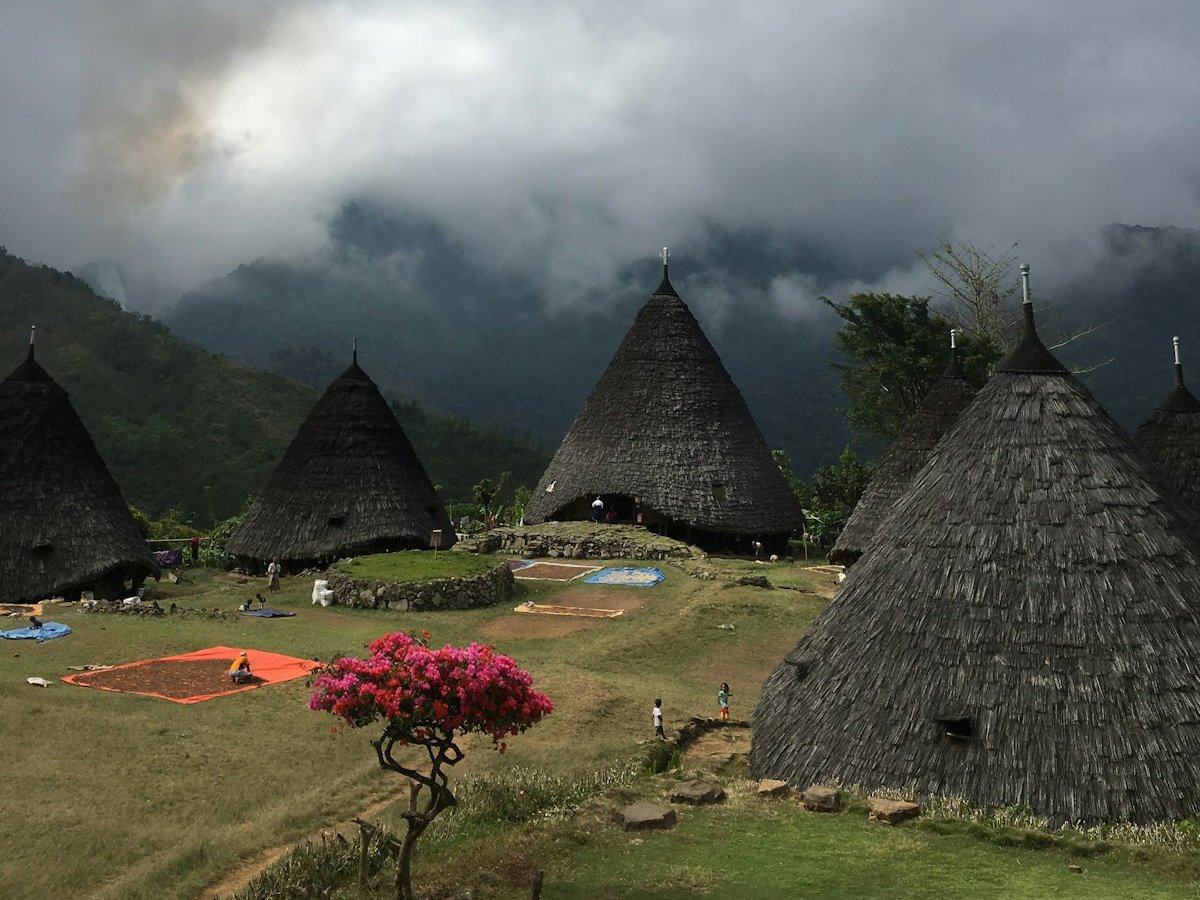
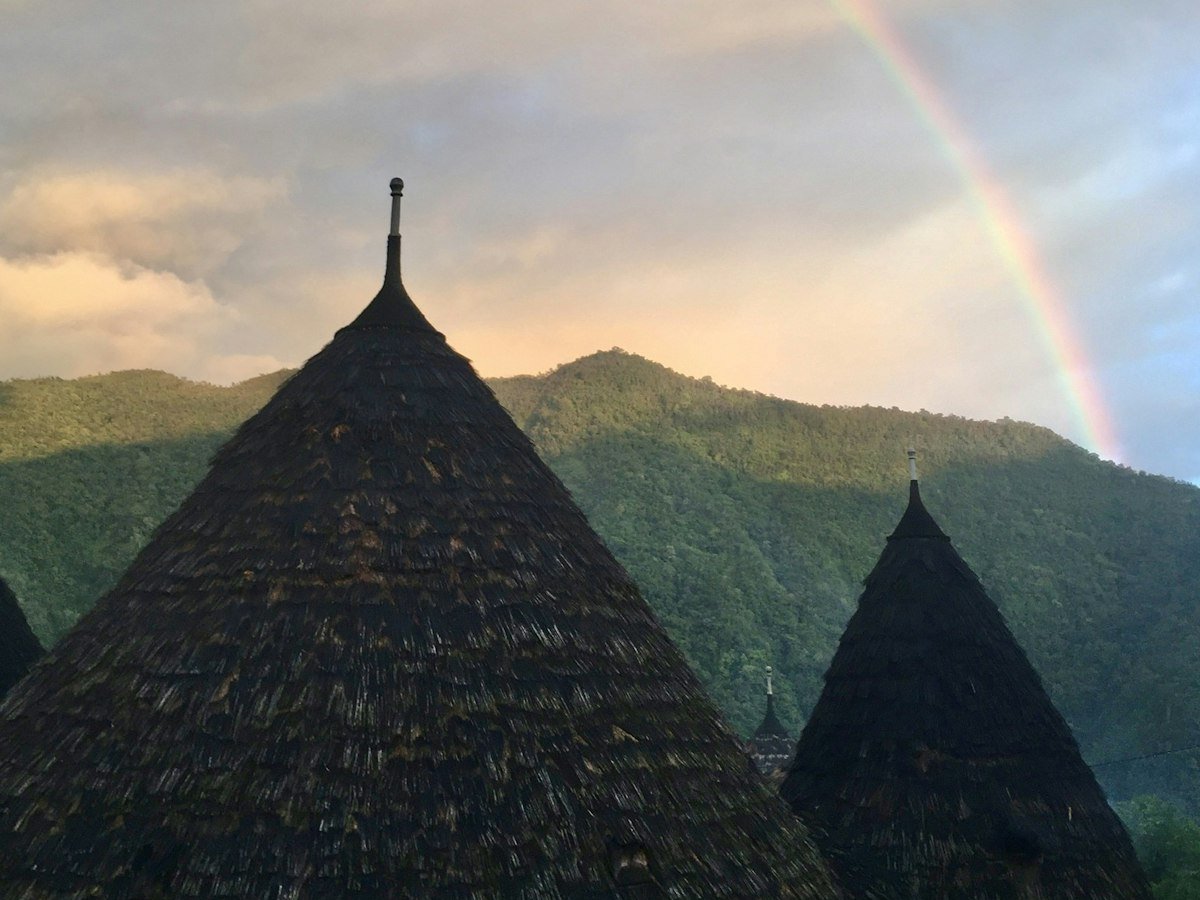
Wae Rebo is the most photographed traditional village in eastern Indonesia. Seven cone-shaped houses called Mbaru Niang, 1200 metres up a mountain in the Manggarai highlands, only reachable by a 3-hour hike. The village hosts overnight guests in two of those houses.
From Labuan Bajo it is about 4 hours by car to the trailhead at Denge village, then a 3-hour uphill hike to Wae Rebo itself. Plan an overnight; you sleep in a traditional house, eat dinner with the community, and hike back the next morning. Full trip from Labuan Bajo: 2 days, 1 night minimum.
Is it worth it? Yes, if you want one of the most genuinely traditional cultural experiences left in Indonesia. No, if you are looking for an Instagram day trip; this is not that.
Why anyone bothers
Wae Rebo is an active living village, not a museum. About 100 people in 7 cone-shaped houses, each housing six to eight families across four levels. The village has been here since the late 1700s. UNESCO Asia-Pacific gave it a heritage conservation award in 2012.
The Manggarai people are the indigenous group of west Flores. Their traditions, language, dress, and rituals are still daily life here. You arrive after that 3-hour hike and watch a coffee ceremony, eat dinner in the main house, and sleep on a mat in a 250-year-old structure.
It is also remote. The hike is part of the design. The village leaders maintain it that way to preserve the traditions and prevent the place from turning into a day-tourist circuit.
Getting there from Labuan Bajo
The fastest route:
Day 1 morning. Drive from Labuan Bajo to Denge village. Around 4 hours. The road climbs through Manggarai highlands; the last 30 km is rough but passable in a regular SUV. Most travellers hire a car and driver for the day; budget around IDR 1.5 million round trip.
Lunch in Denge. Small village at the trailhead. Eat the rice and chicken your driver knows the spot for.
Hike to Wae Rebo. Start around 13:00. The trail climbs about 750 metres over 7 km. Allow 3 hours at a steady pace, 4 hours if you take photos. It is mostly forested, well-marked, with some steep sections. Local porters can carry your bag for IDR 150,000 each direction.
Arrive Wae Rebo in late afternoon. A small ceremony welcomes you. The village leader (Tu'a Golo) reads a Manggarai welcome chant; you are formally introduced. Dinner is around 18:00 (chicken, rice, vegetables, coffee).
Night in the guest house. You sleep in one of the two Mbaru Niang reserved for overnight guests. Mats on the floor, blankets provided. The houses get cold; bring a layer.
Day 2. Wake early. Coffee ceremony if you ask. Hike back down to Denge by 11:00. Drive back to Labuan Bajo, arriving late afternoon.
What to bring
- Strong walking shoes. Not trainers; the trail has roots and loose rocks.
- Headlamp. The village has limited electricity; bring your own light.
- Layers. Mountain air drops to 14-16°C at night.
- Cash. There are no ATMs; pay your village contribution in IDR (currently IDR 500,000 per person, including dinner, breakfast, and the bed).
- Light rain jacket. Mountain weather is unpredictable year-round.
- Small gift. Coffee, sugar, biscuits, or cigarettes for the village. Not required, but appreciated.
What to leave behind: heavy luggage (hire a porter), expectation of wifi (none), expectation of hot showers (cold-water bucket bath).
Pick the trip that fits
Padar, Pink Beach, dragons and Manta Point by speedboat, back before dinner.
Komodo Day Trip: Speedboat to 6 Top Destinations
Three days on a phinisi with sunrise Padar before the crowds arrive.
Komodo Tour 3 Days 2 Nights: Phinisi Open Trip
The whole boat to yourselves. Your route, your pace, your music.
Komodo 3D2N Private Charter: Whole-Boat Phinisi
What it actually feels like
This is the part the listicles never get right.
The first night, you are exhausted. You ate, you tried to communicate with the family who is hosting you (Indonesian helps; English mostly does not), and you fell asleep on a thin mat with five other people in the same room. The roof of the house extends down to the ground; there are no windows. It is dark and quiet.
You wake up to roosters. Walk out the door, and the seven cones are right there, with fog still in the valley below. Coffee is being roasted on an open fire. Kids are running around. It is the calmest thing you have done all year.
You eat breakfast at 06:30 (more rice, more coffee), and you hike back down. Halfway, you realise you spent a night somewhere that has not really changed in 250 years.
When to go
Dry season (April to October) is the only reliable window. The trail gets slippery in heavy rain; the village does receive guests during the wet season but trail conditions can close it.
Avoid Indonesian Independence Day week (mid-August) and Easter; the village fills up.
Coldest months are June and July. Dry and clear, but pack a layer.
How it compares to other Flores trips
If you have 4 to 5 days in Flores and are doing both Komodo and an inland trip, Wae Rebo is the inland choice we recommend most often. It is a different experience from Komodo: cultural rather than wildlife, slow rather than action-packed, transformative rather than spectacular.
- Alternatives:
- Kelimutu: three coloured volcanic lakes; longer drive (10+ hours each way from Labuan Bajo), so usually needs 4 days.
- Cunca Wulang waterfall: half-day from Labuan Bajo, easy hike, no overnight.
- Liang Bua cave: where the "hobbit" Homo floresiensis fossils were found; half-day add-on.
For most travellers, Wae Rebo is the inland sweet spot: serious but not exhausting, deep cultural exposure in a short window.
Can we book it for you?
We arrange Wae Rebo trips on request. Standard package: driver round trip from Labuan Bajo, English-speaking guide for the hike, all village fees, accommodation in the guest house, three meals included. Around IDR 3.5 million per person for two people sharing transport, less for larger groups.
WhatsApp our team for current dates and availability. We tend to book 7 to 10 days ahead in dry season.
For the broader Labuan Bajo planning context (when to go, what else to do), see Is Labuan Bajo worth visiting in 2026? or our Komodo National Park guide.